Source eco friendly cotton baby bedding for cribs, strollers, and travel
Compare 30 listings for eco friendly cotton baby bedding suitable for cribs, strollers, and travel. Buyers can review customization options, materials like polyester and cotton, and MOQs ranging from 1 to 5000 units across various styles and certifications.
Key considerations
Products List




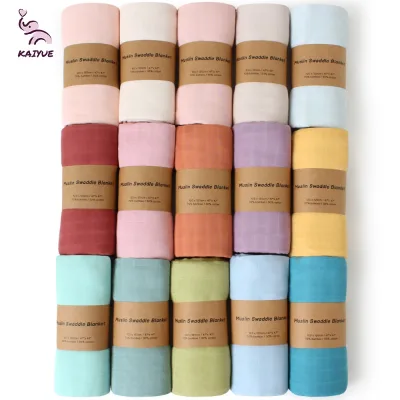
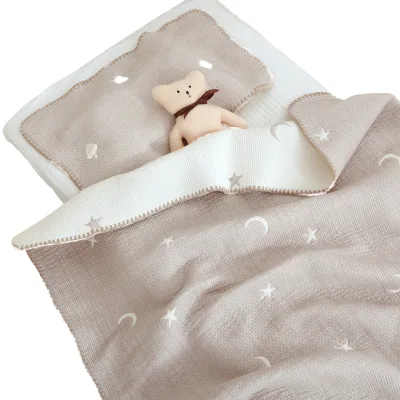

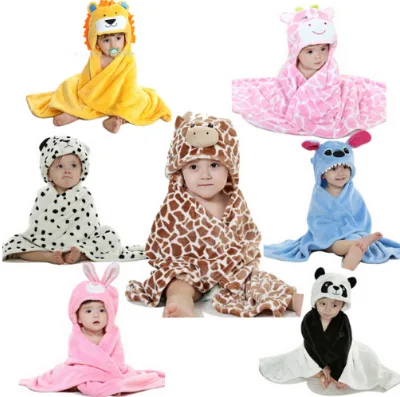

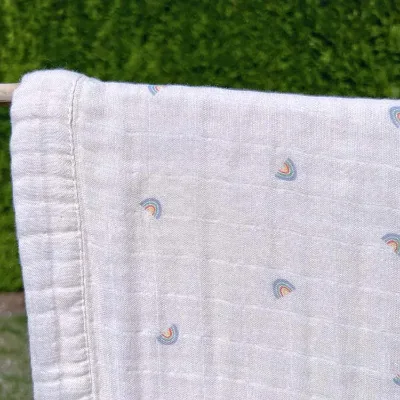
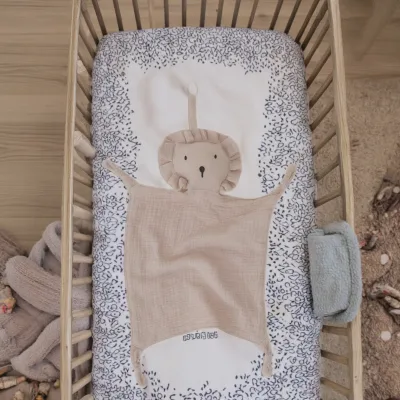


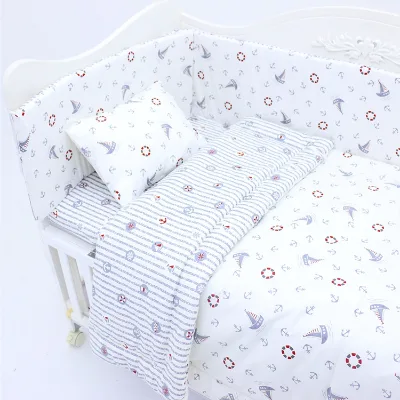

Comprehensive Sourcing Guide
Eco Friendly Cotton Baby Bedding Sourcing Guide
Sourcing eco-friendly cotton baby bedding requires a careful balance between material integrity, safety compliance, and commercial viability. The market offers a diverse range of products, from warp-knitted blankets to woven comforter sets, each serving distinct functional needs for infants and children. Buyers must navigate varying customization options, fabric compositions, and certification standards to ensure the final product meets both regulatory requirements and brand expectations. This guide provides a structured approach to evaluating suppliers, verifying technical specifications, and managing commercial risks associated with this specialized category.
The procurement process begins with a clear definition of product scope, as "baby bedding" encompasses multiple item types including quilts, blankets, and comforter sets. Observed listings indicate a wide spectrum of materials, primarily focusing on polyester blends and cotton knits, with some products offering fully customized fabric compositions. Understanding these variations is critical for aligning product selection with target market demands, whether for home use, hotel hospitality, or specialized retail channels. The following sections detail the essential verification steps and strategic considerations for successful sourcing.
Product Scope and Observed Listing Signals
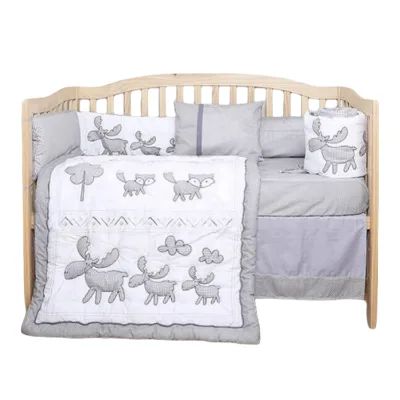
The current market landscape for baby bedding reveals a significant diversity in product types and target demographics. Listings indicate offerings for babies, children, and even adults, suggesting that suppliers often maintain broad catalogs rather than specializing exclusively in infant products. Key product models observed include specific designs such as "Baby Bedding-061B," "Comforter-050J," and patterned options like "Baby Star Group" and "Japanese Flower." These models highlight the importance of aesthetic customization, with features like embroidered patterns and digital printing playing a crucial role in product differentiation. Buyers should recognize that a single supplier may cater to multiple age groups, requiring careful filtering to ensure products are specifically designed for infant safety and comfort.
Material composition and construction methods vary widely across available listings, impacting both the perceived quality and the "eco-friendly" claim. While some products are explicitly described as "100% Cotton Knitted" with high thread counts (≥600TC), others utilize polyester-cotton blends or pure polyester fillings. Knitting methods also differ, with warp knitting observed in some baby blankets and woven techniques used in comforter sets. The presence of features such as "Anti-Pilling," "Portable," and "Non-Toxic" attributes suggests a market focus on durability and safety, but buyers must verify these claims against actual material specifications. The observation of "Customized" material options indicates that suppliers are flexible, allowing buyers to specify exact fabric compositions to meet their sustainability goals.
Technical Specifications to Verify
Verifying technical specifications is paramount when sourcing baby bedding, particularly regarding fabric composition and construction quality. For products claiming to be cotton-based, buyers must confirm the exact percentage of cotton versus synthetic fibers, as blends may not meet strict eco-friendly standards. The observed "100% Cotton Knitted" specification is a strong indicator of quality, but it must be validated through physical sampling. Additionally, thread count and fabric count are critical metrics; listings mention ≥600TC and a fabric count of 60, which generally correlate with softness and durability. Buyers should request detailed fabric swatches to assess hand feel, breathability, and resistance to pilling, ensuring the material is suitable for sensitive infant skin.
Packaging and dimensional specifications also play a significant role in logistics and retail readiness. Observed data indicates that products are typically packed individually in polybags, with some suppliers offering custom packing solutions. Single package sizes, such as 30x40x10 cm, and gross weights around 2.000 kg provide baseline data for freight calculations. However, buyers must verify if these dimensions apply to the specific product variant they intend to order, as sizes can vary significantly between baby blankets and comforter sets. The availability of "Customized" sizes and "Customer Designs" suggests flexibility, but this must be confirmed with the supplier to avoid discrepancies between the ordered specifications and the delivered goods.
Compliance and Safety Documentation
Safety compliance is non-negotiable in the baby bedding sector, requiring rigorous verification of certifications and material safety standards. The observation of OEKO-TEX 100 certification in some listings is a positive signal, indicating that the textiles have been tested for harmful substances. Buyers should prioritize suppliers who can provide valid, up-to-date OEKO-TEX certificates for the specific fabric batches they intend to produce. While GOTS (Global Organic Textile Standard) is mentioned in background knowledge, its presence in specific listings is not confirmed; therefore, buyers must explicitly request GOTS certification if organic cotton is a core requirement. Relying on general "eco-friendly" claims without documented certification poses significant reputational and legal risks.
Beyond textile certifications, buyers must ensure that products meet regional safety standards for flammability, chemical content, and physical hazards. Although specific numerical standards are not provided in the observed data, buyers should verify compliance with regulations such as CPSIA in the United States or EN 14682 in Europe. The "Non-Toxic" feature observed in some listings is a marketing claim that must be substantiated by third-party test reports. Buyers should request detailed test reports covering formaldehyde, pH levels, heavy metals, and azo dyes. Additionally, the "Customized" standard attribute suggests that suppliers may adapt to specific regulatory requirements, but this must be formally agreed upon in the contract to ensure legal compliance in the destination market.
Cost Drivers and Commercial Terms
Understanding the cost structure of baby bedding is essential for accurate budgeting and margin analysis. Prices in the observed market range from $0.65 to $58, reflecting the vast difference between simple blankets and complex comforter sets. Key cost drivers include material composition, with 100% cotton typically commanding a premium over polyester blends. The "European-style" and "Embroidered" features also add to production costs due to the complexity of the manufacturing process. Buyers should analyze the cost breakdown to identify where value is added, ensuring that they are not overpaying for features that do not align with their brand positioning. The "Customized" nature of many products means that pricing will vary significantly based on specific design and material requests.
Commercial terms, particularly Minimum Order Quantities (MOQ) and payment conditions, vary widely among suppliers. Observed MOQs range from 100 pieces to 5000 pieces, with some listings indicating an MOQ of 10,000 for certain items. This disparity highlights the importance of negotiating terms that align with the buyer's inventory strategy and cash flow. Suppliers offering lower MOQs may charge higher unit prices, while those with higher MOQs may offer volume discounts. Buyers should also inquire about sample costs and lead times, as these factors impact the overall procurement timeline. The "Accept Customize Sample" attribute suggests that suppliers are open to prototyping, but buyers should clarify whether sample fees are refundable upon placing a bulk order.
Supplier Qualification and Quality Control
Supplier qualification is a critical step in mitigating procurement risks, requiring a thorough assessment of manufacturing capabilities and quality management systems. Buyers should verify the supplier's production capacity, especially given the observed range of MOQs and the potential for high-volume orders. The "OEM: Yes" and "Logo: Custom Logo Accepted" attributes indicate that suppliers are equipped for private labeling, but buyers must assess their ability to maintain consistency across large batches. Requesting references from existing clients, particularly those in the baby product sector, can provide valuable insights into the supplier's reliability and product quality. Additionally, verifying the supplier's location, such as Shandong, China, can help assess logistical advantages and supply chain stability.
Quality control measures must be clearly defined and enforced throughout the production process. Buyers should implement a robust QC plan that includes pre-production sample approval, in-line inspections, and final random inspections (FRI). The "Anti-Pilling" and "Anti-Pull" features observed in some listings require specific testing protocols to verify durability. Buyers should define acceptable defect rates and establish clear procedures for handling non-conforming goods. The "Custom Packing" option allows for tailored packaging solutions, but this must be strictly monitored to prevent damage during transit. Engaging third-party inspection agencies for independent verification can provide an additional layer of assurance, particularly for high-value orders or new supplier relationships.
Long-Term Procurement Checks
Establishing long-term procurement relationships requires ongoing monitoring of supplier performance and market trends. Buyers should regularly review supplier compliance with agreed-upon standards, including quality, delivery times, and communication responsiveness. The "All-Season" attribute observed in some products suggests versatility, but buyers should assess whether the supplier can adapt to changing seasonal demands and consumer preferences. Continuous feedback loops with the supplier can help identify areas for improvement, such as enhancing fabric softness or reducing production lead times. Maintaining a diversified supplier base can also mitigate risks associated with single-source dependencies, ensuring business continuity.
Sustainability and ethical sourcing practices should be integrated into long-term procurement strategies to align with evolving consumer expectations. Buyers should periodically audit suppliers for adherence to labor standards and environmental practices, even if not explicitly required by initial contracts. The "Eco-friendly" claim, while supported by some certifications, requires ongoing verification to ensure that suppliers do not engage in greenwashing. Buyers should also stay informed about emerging trends in baby bedding, such as new fabric technologies or design innovations, to maintain a competitive edge. By prioritizing transparency, compliance, and continuous improvement, buyers can build resilient and sustainable supply chains for baby bedding products.
FAQs
What materials are used for eco friendly cotton baby bedding?
The bedding utilizes a blend of polyester and cotton or 100% cotton knitted fabric. Some items feature European-style woven techniques with polyester filling for warmth. The materials are selected to ensure softness and comfort for newborns while maintaining durability for home and hotel usage scenarios.
Can I customize the design and logo for baby bedding orders?
Yes, customization is available for both designs and logos. Buyers can submit customer designs for digital printing or embroidery. The supplier accepts custom logos and offers customized packing options. This flexibility allows brands to create unique products tailored to specific market preferences and branding requirements.
What is the minimum order quantity for these baby bedding sets?
The minimum order quantity varies by product type. Some items require an MOQ of 100 pieces, while others may have higher thresholds like 10,000 units. Buyers should check specific product models for exact requirements. Flexible MOQs help accommodate different business scales from small startups to large distributors.
Are the baby bedding products certified for safety?
Yes, certain products hold OEKO-TEX 100 certification, ensuring they are free from harmful substances. This standard is crucial for baby products to guarantee safety. Buyers seeking eco-friendly and non-toxic options can rely on these certifications to meet regulatory requirements and build trust with health-conscious consumers.
What features do the portable baby quilts offer?
The baby quilts are designed to be portable, anti-pilling, and folded for easy storage. They are non-toxic and suitable for all-season use. These features make them ideal for travel and home use. The lightweight design ensures comfort for babies while providing practical convenience for parents on the go.
How are the baby bedding items packaged for shipment?
Items are typically packed individually in polybags or custom packing solutions. The single package size is approximately 30x40x10 cm with a gross weight of 2.000 kg. Custom packing options are available to meet specific logistical needs. This ensures products arrive in good condition and are ready for retail display.